
 英语
 西班牙语
 葡萄牙语
 俄语
 阿拉伯语
 法语
 德语
 中文
 日语
 韩语
Choosing 注塑成型 材料 Beyond the Resin Name
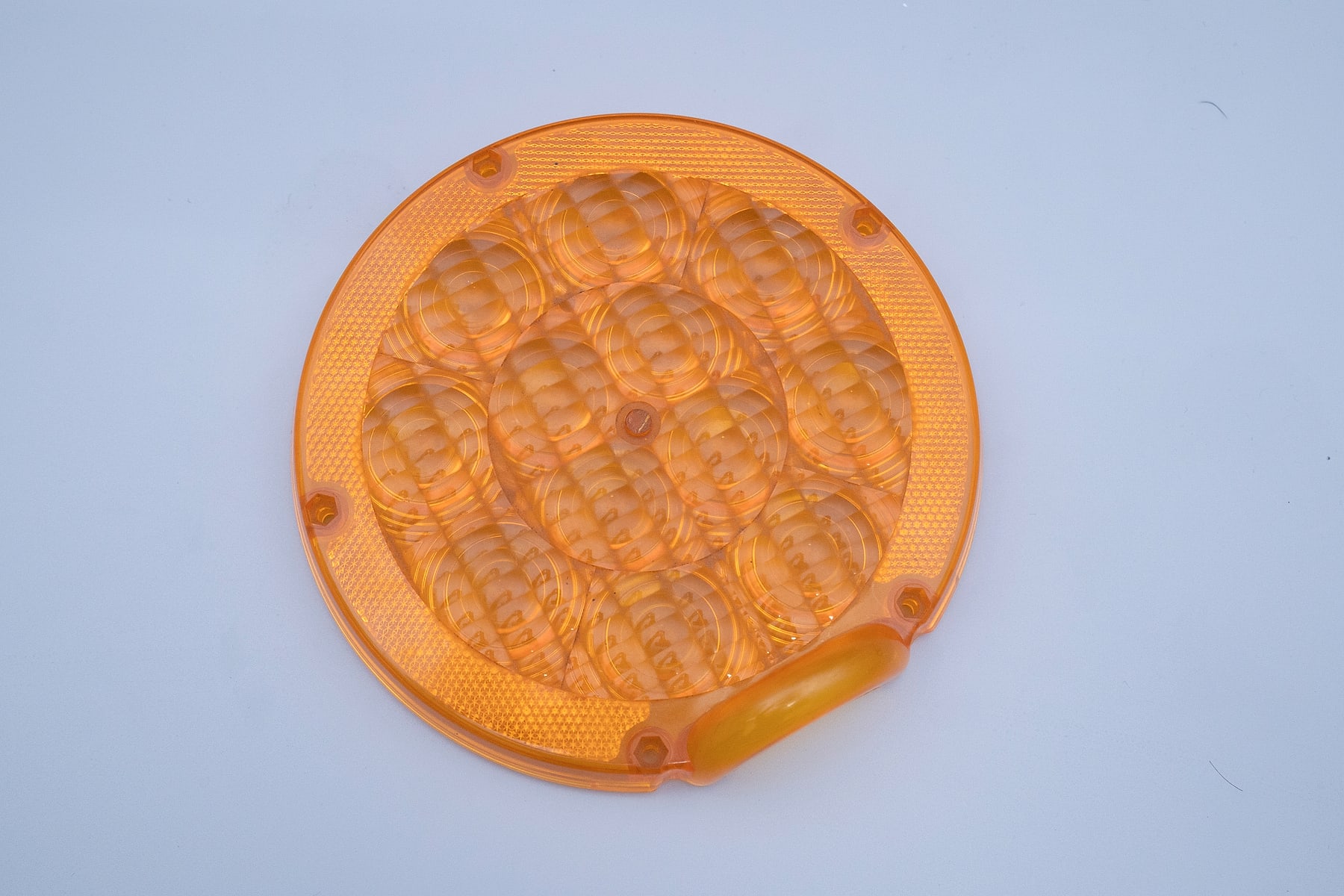
Two quotations can both say “PC” or “ABS” and still be based on different material assumptions. For a custom moulded component, the polymer family starts the discussion; it does not finish the specification. A useful material brief connects the proposed grade to the job the finished part must perform.
The following checklist helps purchasing and engineering teams ask the right questions before committing to tooling. It is a project-planning guide, not a universal resin recommendation.
Start with the working environment
Describe where the component will be used and what it will encounter. An indoor housing, a transparent cover and a part exposed to cleaning fluids do not have the same review priorities. Include both normal use and occasional conditions such as cleaning, storage or transport.
- Operating temperature range and duration of exposure.
- Contact with chemicals, oils, cleaning agents or moisture.
- Outdoor use, sunlight exposure and expected appearance over time.
- Loads, repeated assembly, impact or movement at the interfaces.
If a requirement is unknown, label it as open rather than replacing it with “standard material.” This gives the project team a clear question to resolve.
Separate the family from the approved grade
材料 catalogues distinguish grades by properties and intended applications. Colour, reinforcement and other formulation choices also belong in the review. Typical data-sheet values are useful for comparison but are not, by themselves, the acceptance specification for the finished component.
| Information to record | Question it answers |
|---|---|
| Supplier and grade reference | Which exact material is being proposed? |
| Colour and additive requirements | What formulation and appearance are expected? |
| Applicable documents or restrictions | What evidence must accompany the material? |
| Approval status | Is this material fixed, proposed or still under review? |
Do not describe a whole resin family as universally food-contact compliant, medical approved or flame rated. Ask for the documents relevant to the particular grade and intended use, then confirm who is responsible for the finished-product evaluation.
Explain the assembly rather than only the individual part
Send a view of the mating components and identify the contact areas. Tell the supplier whether the part clips into place, carries a screw, supports a seal or must remain easy to remove. Mark the dimensions that govern assembly instead of treating every dimension as equally critical.
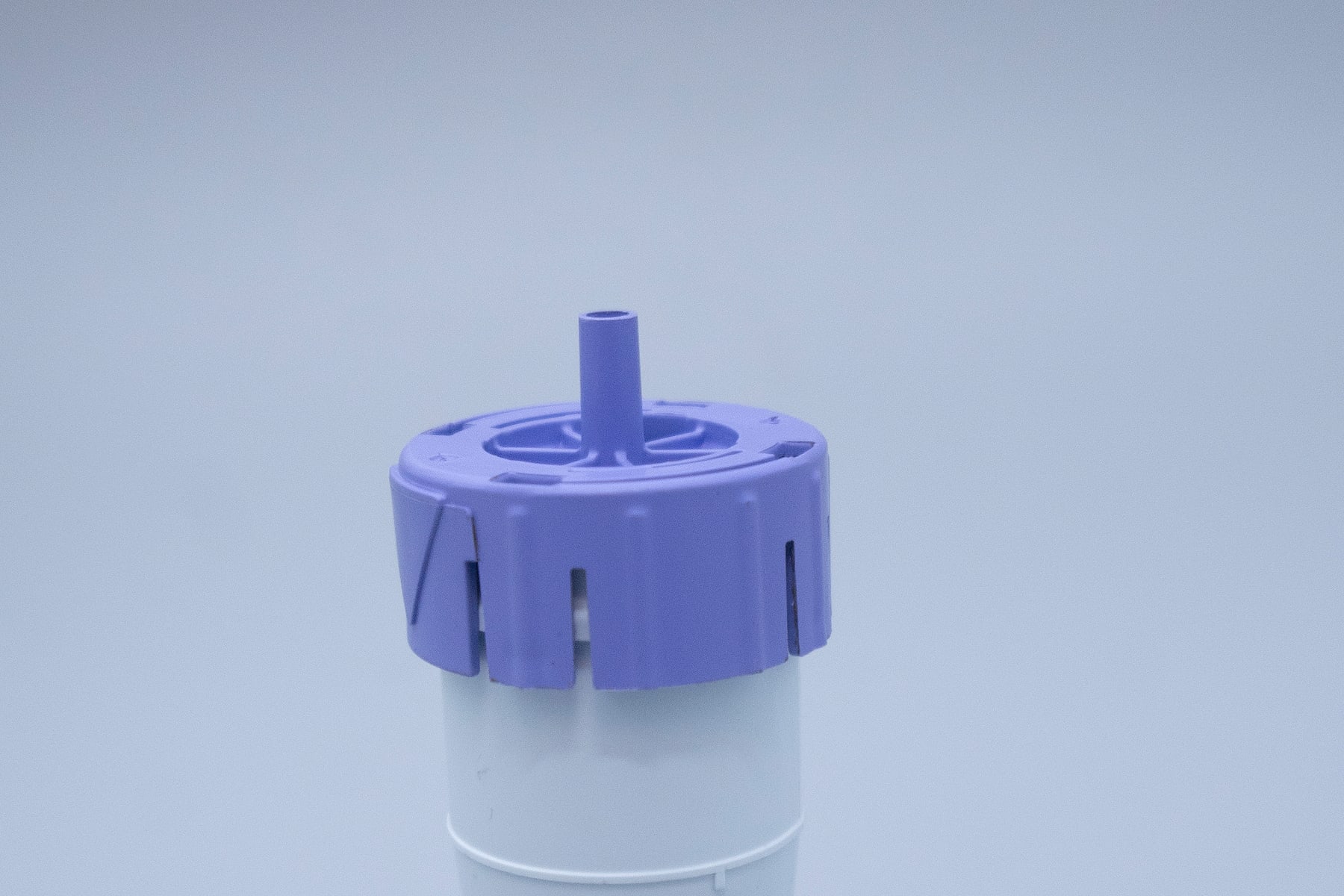
For a transparent part, also explain whether the priority is simply seeing inside, presenting a clean cosmetic surface or meeting a defined light-management function. Describe how you intend to check it. “High transparency” without a viewing method or performance target is difficult to turn into a shared acceptance decision.
Plan the sample check before selecting an alternative
Price and availability matter, but a lower-cost or more readily available grade is a proposal, not an automatic replacement. Keep a record of the original requirement, the proposed alternative and the checks needed to compare them.
Agree which questions will be answered by drawings and supplier documents, which by physical samples and which by customer testing. This avoids approving material on appearance alone when assembly or service conditions are still unresolved.
A concise material brief to send with your drawing
- Part number and drawing revision.
- Intended function and relevant service conditions.
- Specified resin grade, or a clearly marked request for recommendations.
- Colour, cosmetic zones and any contact or compliance requirements.
- Mating-part information, critical features and planned sample tests.
- Initial quantity and expected repeat demand.
JingZhan can review this information alongside the part geometry and project scope. The result should be a documented material decision with remaining questions visible, rather than a vague resin name carried from one quotation to the next.
常见问题
Is a resin family enough for a production specification?
No. Identify the proposed supplier and grade, colour, additives and relevant requirements. If the grade is still open, mark it as a decision for engineering review.
Does clear plastic automatically meet optical requirements?
No. Define what the part must do, the visible zones and the inspection or performance criteria. A clear appearance alone does not establish optical performance.
Can another grade be used for a repeat order?
Treat substitution as a controlled change. Review the proposed grade, tooling and processing implications and any required sample checks before approval.
与晶展讨论您的项目
Share your drawing, proposed resin and service conditions so the material and manufacturing questions can be reviewed together.
技术参考: Protolabs injection moulding material comparison. Supplier data and the agreed project specification remain the basis for final selection.
携手打造精密模具
请分享您的图纸、材料要求和目标产量。我们的团队将与您一起审查项目范围并确定下一步实际步骤。